

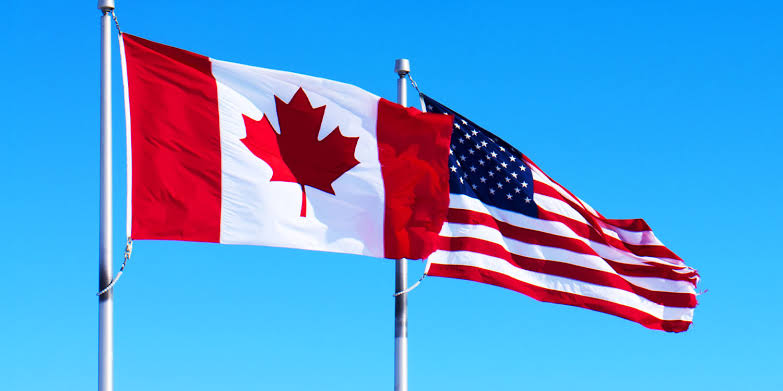
The Canada-United States trade relationship entered a new phase in September 2026, with additional tariffs and trade restrictions taking effect after negotiations broke down in August.
For Trinidad and Tobago exporters, the developments warrant close attention. The United States and Canada are important trading partners, and changes in the relative cost of goods entering either market can affect competition, sourcing decisions and potential market opportunities. However, higher tariffs on Canadian and American goods do not automatically translate into increased demand for Trinidad and Tobago products. Exporters will need to assess the changes at the individual product level, taking into account their own tariff treatment, landed costs, production capacity, and ability to meet buyer requirements.
Negotiations between Canada and the United States ended without agreement on August 21. The following day, new U.S. tariffs of 50% took effect on approximately CAD $27.6 billion (about US $20 billion) of Canadian goods. The tariffs covered food and beverages, household goods, sporting equipment and other consumer products, in addition to existing measures affecting Canadian steel, aluminium and automobiles. Canada subsequently introduced countermeasures. From September 8, tariffs of 15%, 25% and 50% were applied to approximately CAD $27.6 billion of U.S.-origin goods. Products affected include steel and aluminium, dairy products, household appliances, agricultural equipment, pulp and paper, plastics and electronics. Certain steel and aluminium products previously subject to a 25% Canadian tariff are now subject to a 50% tariff.
The United States also announced a further series of measures affecting Canadian products. Revisions to the scope of goods subject to the additional 50% tariff took effect on September 15. These changes removed certain products, including cement and rock salt, while adding other products of comparable value, including additional dairy goods and all-terrain vehicles. The additional duties apply to covered goods regardless of whether they qualify as originating under the United States-Mexico-Canada Agreement. Further U.S. import restrictions are scheduled to take effect on September 29. These include restrictions on selected Canadian dairy products and certain alcoholic beverages, among other specified products. The measures, therefore, extend beyond tariffs to include changes to market access and federal procurement restrictions.
For Trinidad and Tobago exporters, the changing tariff environment may alter competitive conditions in both the United States and Canadian markets. Where Canadian products face additional U.S. tariffs or import restrictions, or where U.S. goods face higher tariffs in Canada, importers may reassess prices, suppliers and sourcing arrangements. The potential implications extend across a range of product categories. Canada’s countermeasures affect sectors including steel and aluminium, dairy, agricultural equipment, pulp and paper, plastics, household appliances and electronics. At the same time, U.S. measures cover selected food and consumer products alongside existing measures affecting metals and automobiles.
For Trinidad and Tobago businesses, however, higher tariffs on competitors should not be interpreted as an automatic export opportunity. The effect will vary considerably by product. Exporters will need to compare the tariff treatment and landed cost of their products with those of competing Canadian, U.S., and third-country suppliers, while also considering freight costs, standards, rules of origin, distribution arrangements, and their capacity to supply consistently.
Trinidad and Tobago exporters should therefore assess opportunities at the HS code and product levels, particularly in categories where they already have export capabilities or established market relationships. Changes in relative prices may create openings for selected processed foods, chemicals, plastics and packaging, and other manufactured products. Still, the commercial case will depend on the specific tariff line and market conditions.
In Canada, qualifying Trinidad and Tobago products continue to receive preferential tariff treatment under the Commonwealth Caribbean Countries Tariff. In the United States, exporters should similarly confirm the current tariff treatment of individual products and whether any applicable preferential programme or exemption affects the final duty payable.
What Exporters Should Do Now
- Confirm the HS classification and current tariff treatment of products in both markets.
- Identify Canadian and U.S. competitors directly affected by the new measures.
- Compare landed costs, including freight, duties and distribution costs, rather than looking only at headline tariff rates.
- Engage existing and prospective distributors to determine whether sourcing patterns or buyer requirements are changing.
- Review North American input and equipment supply chains for possible indirect cost or availability effects.
The Canada-United States trade dispute remains fluid, with tariff schedules and import restrictions continuing to change. For Trinidad and Tobago exporters, the most practical response is to monitor developments closely and assess their impact at the individual product level rather than assume that higher tariffs will automatically translate into increased demand.
We will continue to monitor developments in key export markets and support Trinidad and Tobago businesses in identifying market opportunities, assessing export readiness, and strengthening their international competitiveness. Ready to assess what these trade changes could mean for your business? Connect with us today at info@globaltnt.com to explore market opportunities, review your export positioning and identify practical steps to compete more effectively in the United States and Canada.